
The RAW Table: Family Feeding Behaviors & Mealtime Reset
【RAW】The Happy Table · Family Feeding Behavior Reset
「The feeding relationship matters more than nutrition knowledge. Help parents build feeding competence (Feeding Dynamics) so mealtimes reconnect the family.」
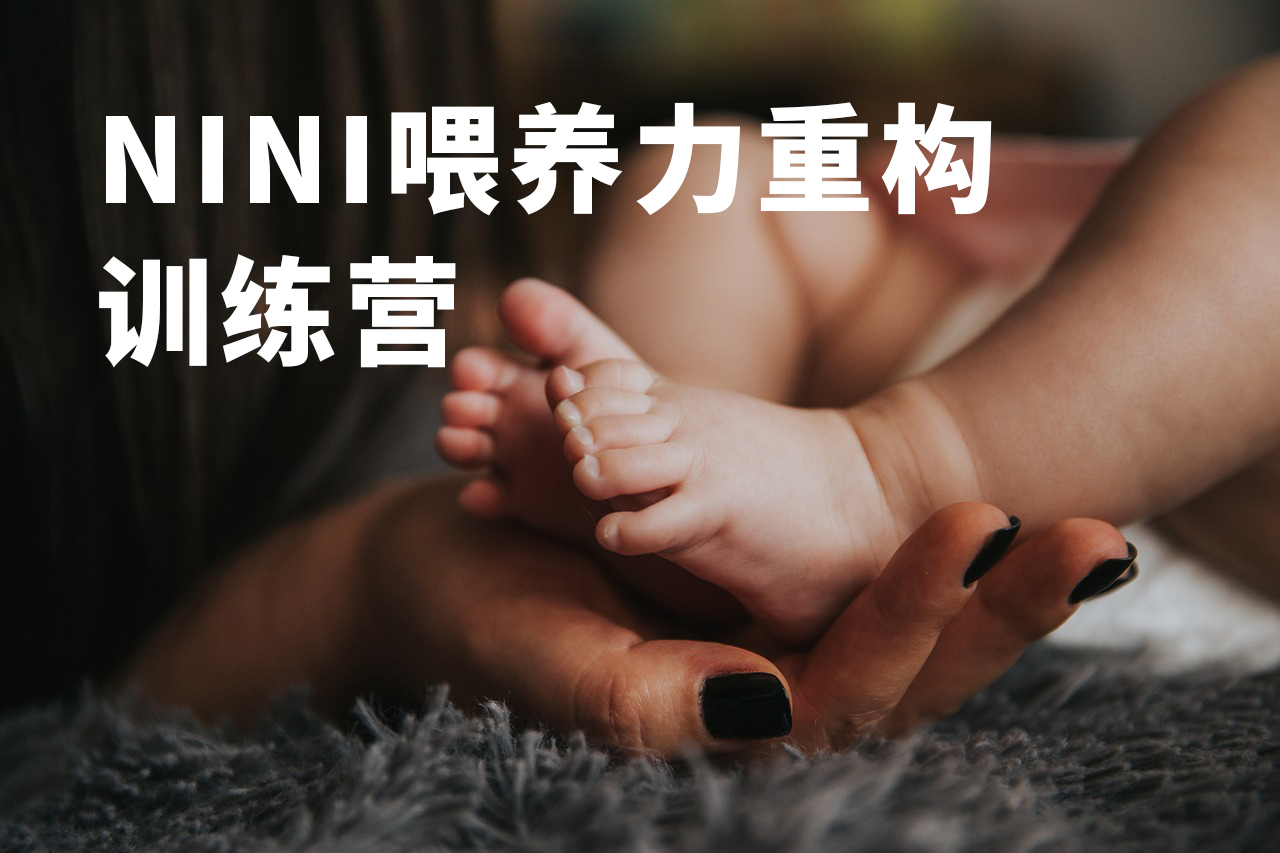
This is a systematic food education program for parents of children aged 3–12.
The program integrates child developmental psychology, Feeding Dynamics, family systems theory, and global food education practice — helping parents build evidence-based feeding knowledge and household dietary management skills.
We focus not just on what children eat, but on how they form healthy eating behaviors, attitudes, and dietary autonomy.
We believe: whether a child develops healthy eating habits has less to do with how much nutrition knowledge parents possess, and more to do with whether the family has established a healthy feeding relationship.
Core Values
Build Feeding Leadership
Parents are not controllers of what children eat — they are designers of the family food environment. The program helps parents understand their role versus the child's role, how to set appropriate boundaries, and how to reduce power struggles to build a healthy family eating order.
Rebuild the Mealtime Relationship
Many family tables have become sites of conflict. The program helps parents reduce mealtime pressure, ease feeding anxiety, establish safety, and enhance shared mealtimes — so the table becomes a space that connects the family again.
Cultivate the Child's Food Selection Ability
Real food education is not memorizing nutrition facts. It is cultivating a child's ability to recognize food, experience food, choose food, and take responsibility for their own health.
Build a Lifelong Healthy Food Relationship
We want to help children build a relationship with food that is cooperative rather than adversarial, connected to the body rather than ignoring it, shared with family rather than isolated. These capacities will shape the child's health and quality of life for decades.
Core Philosophy
Children Are Born with the Ability to Self-Regulate Eating
Infants are born with a natural ability to recognize hunger and fullness. Inappropriate feeding practices often gradually interfere with this capacity. The program helps parents rediscover and protect the child's inner regulatory mechanism.
The Feeding Relationship Matters More Than Nutrition Knowledge
Nutritious food matters — but if mealtimes are filled with pressure, control, and conflict, children cannot develop a healthy eating relationship. A good feeding relationship is the foundation from which healthy eating behaviors grow.
Dietary Autonomy Is a Key Developmental Task
As children grow, they need to progressively develop food exploration, dietary decision-making, and body awareness. The program helps parents learn to support rather than substitute for the child's growth.
Food Education Begins at Home
The most important food classroom for a child is not school — it is the family table. Every feeding interaction a parent undertakes is shaping the child's future relationship with health.
Why Are So Many Children Struggling to Eat Well?
When children show signs of picky eating, food refusal, snack dependence, slow mealtimes, frequent table conflict, or abnormal weight changes, most parents first ask: Is something wrong with their digestion? Are they not getting enough nutrition? Are they just a difficult child?
So families try new recipes, supplements, doctors, and methods — only to find the same problems keep coming back.
Because most children's eating problems are not problems with the food itself. They are problems with the feeding relationship.
A Child's Relationship with Food Begins at Birth
From birth to adulthood, parents complete tens of thousands of feeding interactions. Every meal helps the child build their understanding of food, their body, hunger and fullness, family and the table, and their own sense of self-worth.
These experiences accumulate and ultimately shape the child's lifelong relationship with food.
Many parents hope to raise a child with healthy eating habits — yet have never received systematic feeding education. And feeding is, in fact, one of the most important forms of family education in a child's development.
What Is Feeding Competence?
Feeding competence is not about controlling how much a child eats. It is not about finding tricks to get another bite in. It is not about using rewards, threats, or bargains to change behavior.
Feeding competence is a capacity — helping parents create a safe, stable, and positive eating environment grounded in an understanding of how children develop.
- Maintain natural curiosity about food
- Learn to listen to body signals
- Develop dietary autonomy
- Build positive eating experiences
- Form lifelong healthy eating habits
Curriculum
Part 1
Understanding Children's Eating Development
- Child eating competency development model
- Developmental characteristics by age stage
- How picky eating and food selectivity form
- Children's food acceptance patterns
Part 2
Feeding Dynamics & Role Division
- What parents are responsible for
- What children are responsible for
- The division of feeding responsibility model
- Establishing family eating boundaries
Part 3
Mealtime Conflict & Feeding Anxiety
- How mealtime pressure forms
- How to reduce power struggles
- How to respond to food refusal
- How to build positive eating experiences
Part 4
Building Food Selection Ability
- Children's food education
- New food acceptance strategies
- Snack management
- Eating out management
Part 5
Family Food Education Practice
- Building the family table
- Establishing a shared-meal culture
- Designing food experience activities
- Long-term family food education planning
Program Support System
8-Week Live Course Series
Systematically build a feeding knowledge framework and practical methods.
Feeding Scenario Workshop
Real case analysis and situational role-play.
Family Practice Assignments
Turn knowledge into action at home.
Instructor Feedback & Q&A
Solve real feeding challenges with expert guidance.
Community Learning Support
Grow alongside like-minded parents.
Who Is This For?
Not For
- Fixing picky eating within a few days
- Getting a child to eat anything immediately
- A set of techniques to control child behavior
For You If
- Parents of children aged 3–12
- Families dealing with picky eating or food selectivity
- Families with frequent mealtime conflict
- Parents wanting to cultivate their child's dietary autonomy
- Families wanting to establish a household food education system
What Will You Learn?
- Understand the reasons behind children's eating behaviors
- Build evidence-based feeding methods
- Reduce family mealtime conflict
- Cultivate the child's lifelong eating capacity
- Build a more relaxed, more connected family relationship
About This Journey
Real food education is not stuffing nutrition knowledge into children's heads. It is helping children, meal by meal, learn to know their body, understand food, build autonomy, and develop a sense of responsibility.
We believe: every feeding interaction is not only providing food. It is shaping a person who will one day be able to take responsibility for their own health.
The RAW Feeding Competence Reset Program is honored to accompany every family in rediscovering the wisdom and strength of feeding.